Advocacy begins with emotion, empathy, outrage, hope, or a deep sense of duty. But to create real change, emotion must evolve into strategy.
Over the years, I’ve learned that powerful movements aren’t built on passion alone; they’re sustained by structure, clarity, and purpose. Whether leading campaigns against Islamophobia, managing crisis communications, or mobilizing communities for education and equity, the lesson has been consistent: the heart moves people, but the plan moves systems.
Emotion Is the Entry Point, Not the End Goal
Every meaningful movement begins with emotion.
We feel before we think. We care before we calculate.
When I led initiatives like International Hijab Day or the Anti Islamophobia framework , the emotion was powerful, pride, solidarity, defiance. But I also saw how easily emotion can burn out without a roadmap.
Emotion can light the spark, but without direction, it can also scatter the flame.
In communications, we call this the “bridge between awareness and action.” Feelings open the door, but strategy tells people where to go once they’ve walked through it.
Strategy Turns Momentum Into Measurable Change
Successful advocacy is built on structure. It needs vision, but also systems, a clear message, strong partnerships, and pathways for participation.
For example, when we faced a wave of Islamophobic attacks, our team didn’t just respond emotionally; we built a crisis communication plan. We formed alliances, aligned messaging, and ensured every statement reflected our community’s dignity. The result wasn’t only damage control, it was narrative control.
In that process, I came to appreciate what strategic planners call “the architecture of impact” defining outcomes, channels, and metrics before the campaign even begins. Emotion inspires, but strategy institutionalizes change.
The Advocate’s Dilemma: Being the Heart and the Head
One of the hardest balances in advocacy is knowing when to lead with heart and when to lead with data.
If you focus only on emotion, you risk being dismissed as reactive. If you focus only on data, you risk losing connection. True influence lives in the middle, where storytelling and strategy meet.
When speaking with policymakers or media, I’ve found that personal narratives open doors to statistics can’t. But once you’re inside, evidence and structure keep those doors open. This dual approach blends emotional resonance with strategic intelligence to mobilize both hearts and systems.
Building Campaigns That Outlive the Moment
Sustainable advocacy requires thinking beyond the viral moment.
A campaign isn’t successful because it trends online, it’s successful when it shifts perception, policy, or participation in the long term.
That’s why every campaign I’ve led, from community mobilization to policy advocacy, includes what I call the “3 S’s” of sustainability:
- Structure: Build internal systems to carry the work beyond the campaign team.
- Story: Keep telling the story, even when the spotlight fades.
- Stewardship: Maintain relationships, with partners, donors, and communities, because change is relational before it’s institutional.
The emotional peak of a campaign is exciting, but leadership means planning for what happens after the applause.
5. Advocacy as Strategic Communication
Advocacy is often viewed as activism, but in practice, it’s communication at its highest level, influencing not just audiences, but entire ecosystems.
Whether working with municipal partners, faith-based organizations, or national NGOs, I’ve seen how the most effective advocates are also the most disciplined communicators. They know their audience, refine their message, and measure their outcomes.
That’s where strategic communication consulting becomes transformative. It turns advocacy from reaction into design, helping organizations build the frameworks that make their messages not just heard, but trusted.
Lessons From the Field
Through every campaign, three lessons stand out:
- Authenticity is strategy. The message must reflect lived experience; audiences can sense the difference between performance and truth.
- Clarity outperforms complexity. People act when they understand what’s being asked of them.
- Consistency builds credibility. Sustainable movements are built on repetition, of values, of tone, of action.
These are not just communication principles, they are trust principles. And trust is the true currency of advocacy.
From Emotion to Evolution
Emotion starts the movement. Strategy sustains it.
Together, they create transformation.
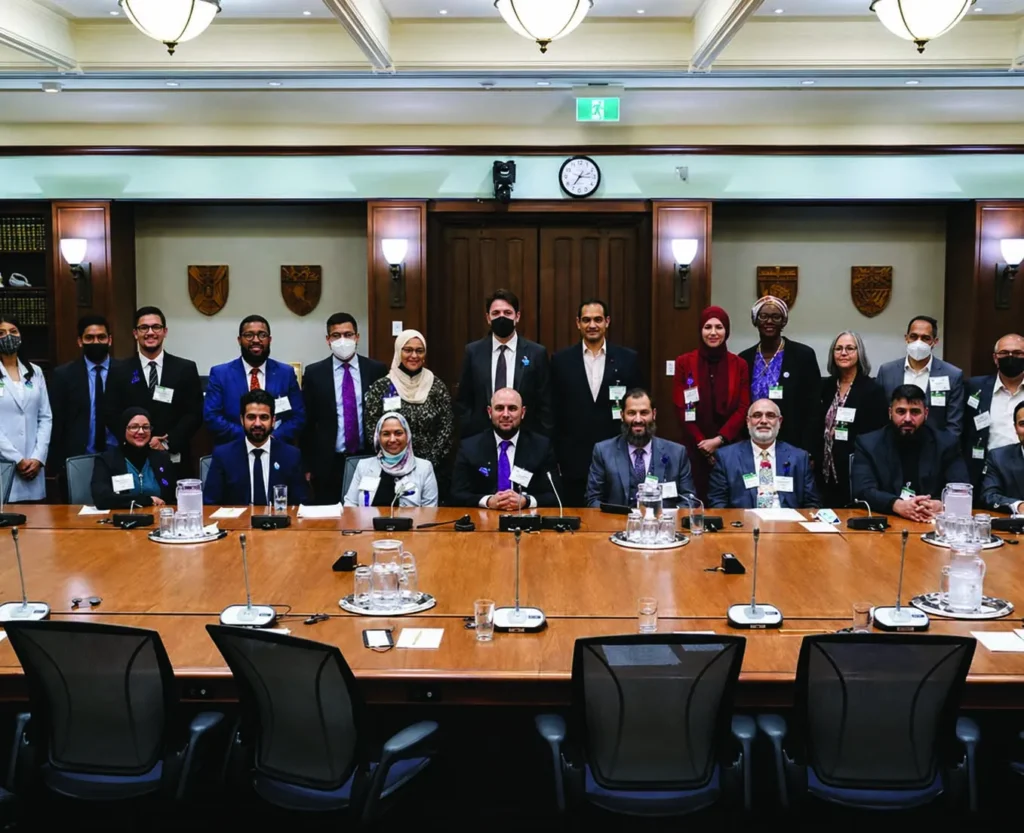
As someone who’s worked at the intersection of community, faith, and government, I’ve seen how advocacy, when structured with intention, becomes more than resistance, it becomes renewal.
The future of advocacy lies in our ability to pair conviction with competence, to design messages that inspire and endure.
Because when emotion meets strategy, change doesn’t just happen, it lasts.